Moving Victorian Terraces in Bexleyheath: Tight-Access Fixes That Actually Work
Victorian terraces are lovely to live in, but moving out of one can feel like trying to thread a sofa through a keyhole. In Bexleyheath, that usually means narrow hallways, sharp stair turns, low porches, limited parking, and the classic "where on earth does the van go?" moment. This guide to Moving Victorian Terraces in Bexleyheath: Tight-Access Fixes is here to help you plan smarter, avoid the common headaches, and keep the move calm enough that you are not standing in the doorway at 8am wondering why the wardrobe looked smaller yesterday.
We will walk through what makes these homes tricky, the practical fixes that work in real life, and the decisions that make the biggest difference on moving day. You will also find a checklist, a comparison table, and a few trade-tested tips that can save time, money, and quite a bit of stress. To be fair, that is usually what people want most.
- Why tight-access terrace moves matter
- How the process works
- Key benefits and practical advantages
- Who this is for
- Step-by-step guidance
- Expert tips for better results
- Common mistakes to avoid
- Tools, resources and recommendations
- Law, compliance and best practice
- Options and comparison table
- Case study example
- Practical checklist
- Conclusion
- Frequently asked questions
Why Moving Victorian Terraces in Bexleyheath: Tight-Access Fixes Matters
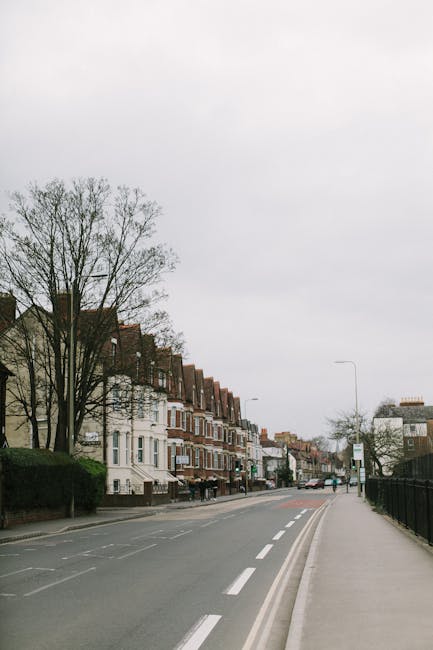
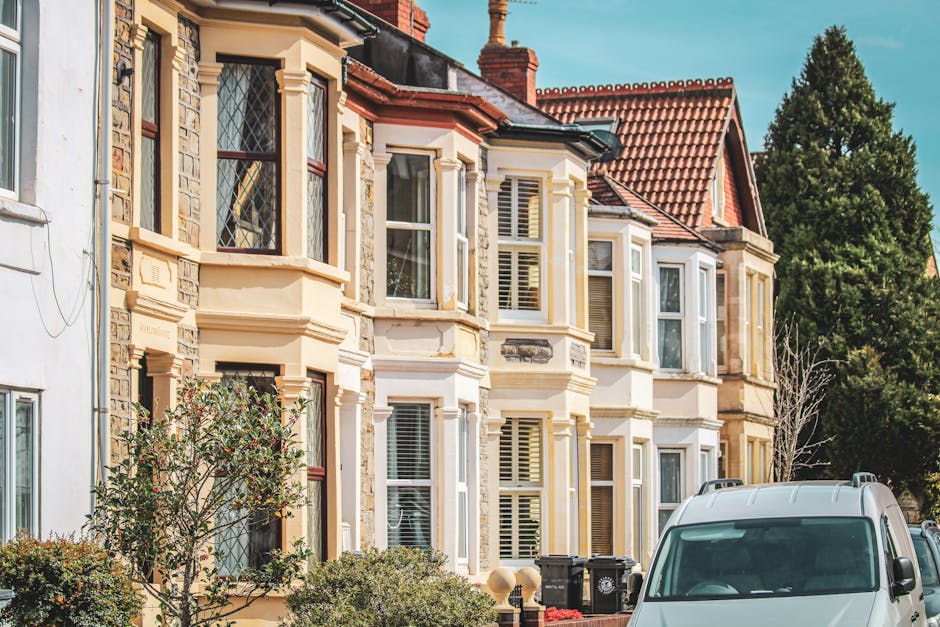
Victorian terraces were built for a different era of living. They were not designed around king-size mattresses, American-style fridges, or today's oversized wardrobes. In Bexleyheath, many terrace streets also have tight front gardens, modest entrances, and parking that can be more of a negotiation than a certainty. That combination matters because even a straightforward house move can turn complicated very quickly when access is awkward.
The real issue is not just inconvenience. Tight access changes the whole logistics chain. It affects the size of vehicle you can use, how far items need to be carried, whether furniture needs partial dismantling, and how much time the crew will need on site. A move that looks simple from the kitchen window can take a surprising amount of coordination once the sofa meets the stair bend.
And then there is the human side. Stress rises fast when things are delayed at the front door. Boxes are stacked, neighbours are waiting, the kettle is still in the back room, and somebody is asking whether the bed frame will fit back together. This is exactly where planning makes a difference. The right tight-access fixes are not flashy. They are practical, small, and honestly a bit unglamorous. But they work.
If you are comparing options, it can help to look at services that already handle awkward home layouts, such as home moves, house removals, or a flexible man and van setup for smaller or more nimble jobs. Those are not magic solutions, of course, but the right fit can reduce the friction a lot.
How Moving Victorian Terraces in Bexleyheath: Tight-Access Fixes Works
The process starts before moving day. The key is to understand the access bottlenecks in advance, then choose the lowest-risk route for each item. In practice, that usually means surveying the property, measuring the awkward pieces, checking on-street parking, and deciding which furniture should be dismantled before anything else is touched.
Most tight-access moves use a combination of these fixes:
- Pre-move measuring for doors, hallways, stair corners, railings, and vehicle entry points.
- Selective dismantling of beds, tables, wardrobes, and bulky shelving.
- Smaller vehicle access where a compact van is easier than a larger truck.
- Timed loading to avoid blocking neighbours or losing curb-side space.
- Protected carry routes using blankets, floor coverings, and corner protection.
- Staged packing so the first-load items are ready when the team arrives.
It sounds obvious when written out like that, but in reality plenty of moves fail because one of those steps gets skipped. A front room full of packed boxes does not help if the sofa cannot get round the stair turn. The same goes for a van parked 60 metres away when the mover assumed they would be able to pull right up outside the house. A bit awkward? Yes. Expensive? Also yes.
In a Victorian terrace, access fixes are often about compromise. You may not get the perfect route, but you can usually get a workable one. For instance, a wardrobe might need to be dismantled into panels rather than carried whole. A dining table may be better wrapped and taken apart in the hallway than wrestled down the stairs in one piece. The aim is not perfection; it is safe, efficient movement without damage.
Key Benefits and Practical Advantages
The biggest benefit of good tight-access planning is simple: fewer surprises. That alone can transform a moving day from chaotic to manageable. But there are several more practical advantages worth spelling out.
- Less damage risk: Smaller manoeuvres and smarter dismantling reduce the chance of scrapes, crushed corners, and chipped plaster.
- Faster loading and unloading: Once the route is clear, the crew can keep moving rather than repeatedly resetting the plan.
- Lower physical strain: Careful lifting and shorter, safer carries are easier on everyone involved.
- Better use of vehicle space: Items can be loaded in a sequence that avoids wasted gaps and re-handling.
- Less disruption to neighbours: Good parking and timed access help keep things civil on a street that may already be tightly parked.
- More predictable costs: When access problems are identified early, quotes are more realistic and less likely to shift mid-job.
There is also a quieter benefit: confidence. Once you know there is a plan for the awkward bits, you stop mentally replaying the worst-case scenario. That matters more than people admit. Moving is tiring enough without your brain running a little disaster film in the background.
For moves involving specialist items or extra packing support, the right combination of packing and boxes and packing and unpacking services can make the whole operation cleaner and less rushed. It is one of those things you only regret not arranging earlier.
Who This Is For and When It Makes Sense
This approach makes sense for anyone moving in or out of a Victorian terrace with limited access, but it is especially useful if your property has one or more of the following:
- a narrow front door or side access path;
- a steep or turning staircase;
- tight internal corridors;
- restricted parking outside;
- shared access with neighbours;
- large or awkward furniture that has to come out intact;
- a same-day completion where timing is already under pressure.
It is also a good fit if you are moving a smaller household and want a compact, nimble team rather than a large setup. That is where a man with a van style service can be especially practical, because it can suit narrow roads and shorter carry distances without overcomplicating the job. For some people, that is all they need. For others, especially larger family homes, a fuller removals service is the better fit.
And yes, sometimes the move looks small on paper but behaves like a much bigger job in reality. A two-bedroom terrace with a basement, a loft, and one very determined wardrobe can be more awkward than a larger open-plan house. Strange, but true.
Step-by-Step Guidance
If you want the simplest possible version of a tight-access move, use this sequence. It is not glamorous. It just works.
- Survey the access properly. Check the width of doors, stairs, hallway turns, pavement space, and parking options. Take photos if you can.
- Measure the awkward items. Wardrobes, sofas, beds, mirrors, and white goods are usually the troublemakers.
- Decide what should be dismantled. If an item is near the limit, dismantle it before moving day instead of gambling on it.
- Pack with carry routes in mind. Heavy boxes should be manageable, well sealed, and not so oversized that they become dangerous on stairs.
- Reserve parking or plan the loading point. If the van cannot stop close by, factor in extra carrying time.
- Protect the property. Blankets, covers, and corner guards are useful, especially on painted walls and bannisters.
- Load in the right order. Large items first, fragile items safely separated, and essentials last if they need to come off quickly.
- Keep a small access kit ready. Tape, tools, charger, drinking water, labels, and a torch can save a lot of faffing.
One practical point that often gets overlooked: plan for the return journey as well. Moving into a terrace can be just as awkward as moving out. You may have a cleaner route on arrival, or you may find the new property has a different set of bottlenecks entirely. Different front door, different headache. Lovely.
Expert Tips for Better Results
After a lot of moves, a pattern becomes clear: the smoothest jobs are rarely the fanciest ones. They are the best prepared. Here are a few expert-level tips that genuinely help in Victorian terrace moves.
- Start with the largest item, not the smallest one. If the sofa or wardrobe will not go, everything else becomes academic.
- Use soft packing for awkward corners. Blankets, towels, and wrap help protect both furniture and walls.
- Keep stairwells clear. A single forgotten basket or lamp can create a proper bottleneck.
- Label by room and priority. "Kitchen - first open" is more useful than a vague number.
- Have one person directing, not five. Too many instructions in a narrow hallway is chaos in a cardigan.
- Build in a little extra time. Tight access never improves under pressure.
When in doubt, choose the safer route over the faster-looking route. A two-minute shortcut that risks scratching a wall or twisting someone's back is not a shortcut at all. It is just a future problem waiting politely in the corridor.
If your move includes heavier or awkward pieces, it may also be worth looking at furniture removals or, for individual items, furniture pick-up. For extra-heavy specialist items, piano removals is the kind of service you do not want to improvise.
Common Mistakes to Avoid
Most access problems are avoidable. The trouble is that the mistakes feel small at the start. They rarely seem dramatic until the van is outside and someone is trying to angle a mattress through a staircase that definitely has other ideas.
- Not measuring properly. Guessing is the quickest route to a stuck sofa.
- Leaving dismantling too late. If a bed frame needs tools, sort it before the removal team is already on the clock.
- Overpacking boxes. A box that is too heavy for stairs becomes slow and unsafe.
- Ignoring parking constraints. Small streets fill quickly, especially at the busy end of the day.
- Assuming the crew can "just work around it." Sometimes they can. Sometimes they really cannot.
- Forgetting to brief neighbours or managing agents where needed. A quick heads-up can avoid unnecessary friction.
The most common one? People underestimate the hallway. Not the room, the hallway. That narrow strip between front door and stairs often decides the whole move.
Tools, Resources and Recommendations
You do not need a van full of specialist kit to move a Victorian terrace well, but a few tools make a big difference. These are the ones that tend to earn their keep:
- Measuring tape: for doorways, furniture, and stair turns.
- Basic tool kit: screwdriver, Allen keys, adjustable spanner, and a small hammer.
- Furniture blankets and wraps: ideal for protecting edges and bannisters.
- Labels and marker pens: small thing, big payoff.
- Sturdy gloves: helpful when carrying through tight or rough access points.
- Floor and corner protection: especially useful in older homes with painted or scuffed surfaces.
It can also help to think about the move as a sequence, not a single event. Pack essentials separately, keep valuables to one side, and organise any storage or temporary overflow early if needed. A sensible backup option is sometimes the difference between a rushed move and a calm one. If that is part of your plan, storage can be a useful pressure valve.
For people moving on a tighter budget, it is usually better to compare options carefully rather than just picking the cheapest headline figure. The overall value depends on access, vehicle size, labour, and whether dismantling or extra handling is included. A clear look at pricing and quotes is often the best place to start.
Law, Compliance, Standards, or Best Practice
Most terrace moves are straightforward from a legal standpoint, but there are still important UK expectations to keep in mind. Best practice matters here because access work usually involves lifting, carrying, vehicle positioning, and protecting people and property.
At a practical level, responsible movers should follow sensible manual handling methods, keep walkways clear where possible, and avoid unsafe lifting or carrying loads that are too heavy for one person. Risk awareness matters even in a domestic move. A narrow staircase, a wet pavement, or an awkward fridge can become a real issue very quickly.
It is also sensible to confirm insurance and safety arrangements before the move, especially if you are dealing with valuable items or a property that is easy to mark or damage. If you want peace of mind on that front, it is worth reviewing insurance and safety information and the company's health and safety policy. Those details are not exciting, but they are the bits that matter when things get tight.
On the customer side, good planning also means understanding the service terms, payment process, and any conditions around delays, access, or waiting time. In other words, the paperwork is not just paperwork. It protects everyone.
Options, Methods, or Comparison Table
Not every terrace move needs the same solution. Some jobs are best handled by a compact van and a couple of experienced movers. Others need a larger team, more time, and a full removal setup. Here is a plain-English comparison to help you decide.
| Method | Best for | Strengths | Trade-offs |
|---|---|---|---|
| Man and van | Smaller households, a few bulky items, short carries | Flexible, nimble, often easier on tight streets | Less suited to very large loads or complex multi-room moves |
| Full removals team | Larger homes, full-room moves, more furniture | More hands, better for complicated access and heavier lifting | Usually more planning needed and may cost more |
| Specialist item service | Pianos, awkward furniture, fragile or high-value pieces | Focused handling and specialist care | Only suitable for certain items |
| Self-move with hired vehicle | Very budget-conscious moves where help is available | Potentially cheaper if the access is manageable | More physical work, more risk, more chance of delays |
There is no single winner here. The right choice depends on how tight the access really is, how much you are moving, and whether you want to spend your moving day concentrating on logistics or just getting through it. Some people love the control of a self-move. Others, quite sensibly, would rather hand the awkward bits to professionals and have a cup of tea instead.
Case Study or Real-World Example
Here is a realistic example based on a common kind of Bexleyheath terrace move. A couple were moving out of a two-up, two-down Victorian terrace with a narrow entrance, a steep stair rise, and a sofa that had looked reasonable in the shop but had become a bit of a menace at home. The street parking was limited, and there was only a short stretch of pavement outside the property.
The solution was not dramatic. The sofa legs were removed, the bed frame was dismantled, and the heaviest boxes were split into smaller loads. The van was positioned as close as possible, the crew protected the hallway corners, and the loading order was changed so the awkward items went out first rather than being left until the end. It took calm coordination, not brute force.
The interesting part was how much smoother the day became once the team stopped treating the access as a nuisance and treated it as the main challenge. That change in mindset matters. Instead of trying to "push through," they adapted the method. Result? Less strain, less shuffling, and no last-minute panic with the sofa halfway down the stairs. Small win, big relief.
That is really the heart of tight-access moving. You do not beat the building. You work with it.
Practical Checklist
Use this checklist a few days before the move, then again on the morning itself. It is simple, but it catches a lot of problems before they grow legs.
- Measure the main furniture and the narrowest access points.
- Check whether any items need dismantling.
- Confirm parking and loading arrangements.
- Pack a separate essentials bag for the first night.
- Label boxes by room and priority.
- Protect floors, bannisters, and corners if needed.
- Keep tools, tape, and chargers close at hand.
- Make sure children and pets are safely out of the way.
- Set aside valuables and documents separately.
- Review the booking details, arrival time, and access notes.
- Have a backup plan if the van cannot stop right outside.
- Stay flexible. Tight access often needs a little improvisation.
One more thing: if you are moving in a hurry, ask whether a same-day approach is realistic for the property. For some situations, same day removals can be the right call. For others, a slightly slower, better-prepared move is the smarter choice. No shame in that at all.
Conclusion
Moving a Victorian terrace in Bexleyheath does not have to become a mini disaster. Once you understand the access constraints and build the move around them, the whole process becomes far more manageable. The trick is to measure first, dismantle where needed, protect the property, and choose the right kind of moving support for the job.
That is the real value of tight-access fixes. They do not just help furniture fit through the door. They help the day feel under control. And on moving day, that is a huge difference.
If you are comparing moving options, checking service details, or planning a terrace move with awkward access, it is worth reviewing the relevant house, van, and packing services early so you can match the plan to the property instead of forcing the property to fit the plan. A little foresight goes a long way.
Get a free quote today and see how much you can save.
And if the street is tight, the stairs are narrow, and the sofa is behaving like a stubborn old friend, take a breath. There is usually a way through it.
Frequently Asked Questions
What makes Victorian terraces harder to move out of?
Victorian terraces often have narrow hallways, steep stairs, compact entrances, and limited parking. Those features make large items harder to manoeuvre and increase the need for planning, dismantling, and careful loading.
How do you measure whether a sofa or wardrobe will fit?
Measure the item at its widest points, then compare that with the narrowest doorway, turn, or stair space it must pass through. Do not forget handles, feet, and angled movement. A straight measurement alone can be misleading.
Is a man and van service enough for a tight-access terrace move?
Sometimes yes, especially for smaller homes or fewer items. A man and van setup can be a good fit where access is awkward but the load is manageable. Larger or more complex moves may need a fuller removals team.
Should I dismantle furniture before moving day?
If there is any doubt about clearance, yes. Beds, tables, and some wardrobes are often easier and safer to move in parts. It usually saves time and reduces the risk of damage on the stairs.
What if parking outside the terrace is impossible?
Then the move needs to be planned around a longer carry. That may mean using a smaller vehicle, timing the arrival carefully, or staging items so the loading process remains efficient even if the van is not directly outside.
Are tight-access moves more expensive?
They can be, because they often take longer and require more care. The exact cost depends on access, load size, vehicle type, and whether dismantling or packing support is needed. Clear quotes help avoid surprises.
What items usually cause the most trouble in Victorian terraces?
Wardrobes, sofas, mattresses, dining tables, white goods, and pianos are the usual suspects. Anything tall, heavy, or awkward to turn tends to need extra thought.
Can professional movers protect walls and bannisters in older houses?
Yes, they should. Good movers use blankets, wraps, and other protective materials to reduce the risk of scuffs and chips, especially in older properties where the surfaces may already be delicate.
What should I pack separately for a terrace move?
Keep essentials apart: kettle, chargers, medication, documents, basic toiletries, a change of clothes, and anything you will want on the first night. It saves a lot of rummaging after a long day.
What is the best way to reduce stress on moving day?
Prepare early, label clearly, confirm parking, and do not leave the awkward items until the last minute. A calm plan beats last-minute improvisation every time, even if the day still has a few surprises.
Do I need to check insurance and safety before booking?
Yes, especially for a tight-access move where there is more chance of contact with walls, stairs, or furniture. Reviewing insurance and safety information gives peace of mind and helps you understand how the move is handled.
Can storage help if the terrace move is too complicated in one day?
Yes. If not everything can move smoothly at once, temporary storage can reduce pressure and give you a more workable schedule. It is often a sensible fallback rather than a failure of planning.
Where should I start if I want help with a terrace move in Bexleyheath?
Start with a clear inventory, a few measurements, and a realistic view of access. Then compare the moving support that best matches your load, timing, and property layout. If you want to discuss the specifics, use the site's contact details to ask for guidance.