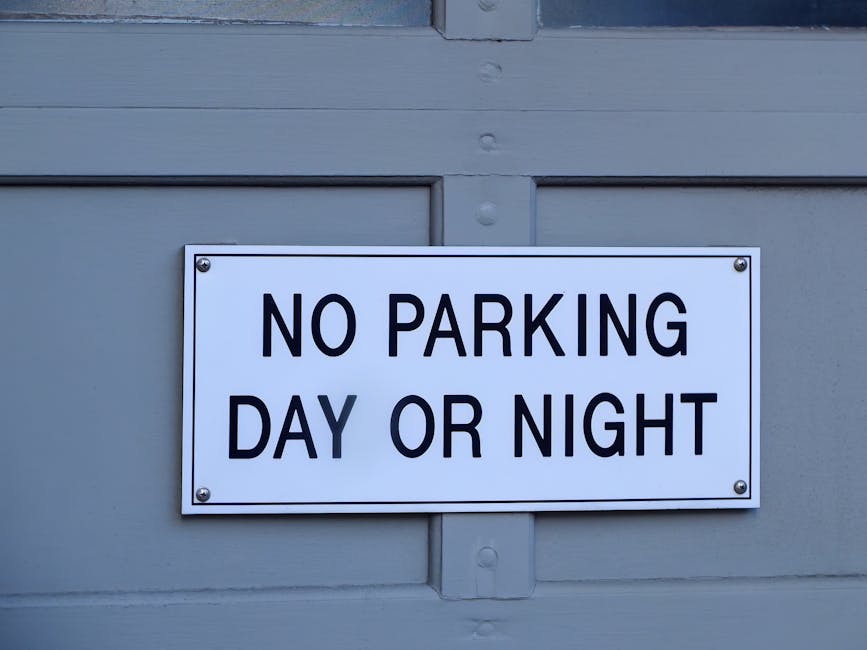
Pavement and Parking Rules During Your Bexleyheath Move
Moving house or relocating a business in Bexleyheath sounds straightforward until the van turns up and the real-world logistics begin. Where can it stop? Can you park on the pavement for a few minutes while the sofa comes out? What if the street is tight, the road is busy, or neighbours have already filled the bays? Pavement and Parking Rules During Your Bexleyheath Move can make the difference between a calm, efficient move and a day full of delays, warnings, and avoidable stress.
In practical terms, parking and pavement access decide how quickly your movers can work, how safely heavy items can be carried, and whether your move stays within local rules and common-sense safety standards. This guide breaks everything down in plain English, with useful tips for homes, flats, offices, and last-minute moves. If you want a smoother experience, a little planning goes a long way. Truth be told, it usually saves more time than people expect.
Table of Contents
- Why pavement and parking rules matter
- How the rules work in practice
- Key benefits and practical advantages
- Who needs this and when it makes sense
- Step-by-step guidance
- Expert tips for better results
- Common mistakes to avoid
- Tools, resources and recommendations
- Law, compliance, standards, or best practice
- Options, methods, or comparison table
- Case study or real-world example
- Practical checklist
- Conclusion
- Frequently asked questions
Why Pavement and Parking Rules During Your Bexleyheath Move Matters
Parking is not just a convenience on moving day. It shapes the whole operation. If the removal van is parked too far away, every box, mattress, and wardrobe has to be carried further. That adds time, raises the physical effort, and increases the chance of knocks, scuffs, and strained backs. On a wet Bexleyheath morning, with a narrow path and a front step that seems to shrink every year, that extra distance really matters.
Pavement use matters too. Sidewalks and kerbs are for pedestrians, pushchairs, mobility aids, and general public access. Blocking them without thinking can frustrate neighbours and create safety risks. It can also put movers in awkward positions when lifting heavy furniture around corners or down steps. The best moves are usually the boring ones: well planned, well parked, and out of everyone's way.
There is also the local factor. Streets near busy shopping areas, terraced homes, flats, and shared driveways often have limited stopping space. If you are moving from one of those places, you will want to think about vehicle size, loading access, and whether the van can stop close enough to the entrance. A small bit of forethought can prevent the classic moving-day scene of someone standing in the road while saying, "It'll only be two minutes." It never is, of course.
For people booking a professional mover, parking arrangements are part of service quality. They influence the pace of the job, the safety of the team, and the overall price you are likely to pay. If you are comparing options on pricing and quotes, it is worth asking how parking and access are handled, because that can affect both the schedule and the final workload.
How Pavement and Parking Rules During Your Bexleyheath Move Works
There are a few layers to this. First, there is the legal and practical question of where a vehicle may stop. Second, there is the safety question of how people and belongings move between the property and the van. Third, there is the local reality of space, traffic, neighbours, and time pressure.
In everyday terms, you usually want to achieve three things:
- a legal and reasonable parking position for the van or truck
- a clear, safe route between the property and the vehicle
- minimal obstruction to pedestrians, residents, and other road users
In some streets, this is easy. You pull up nearby, keep access clear, load quickly, and move off. In others, especially where bays are restricted or the road is busy, you may need to plan for a little more distance, a different vehicle size, or a staggered loading approach. Sometimes the best answer is not the nearest spot, but the safest one.
Private driveways can help a lot, but they also need checking. A driveway that looks wide enough may still be awkward for a larger moving truck. Low branches, tight gates, sloping surfaces, or shared access can all complicate the job. If you are using a man and van style service, or booking a larger vehicle such as a moving truck, the access requirements will be different. That is why a quick pre-move assessment is so useful.
Some moves also need temporary arrangements for boxes, furniture, or storage between addresses. If your new place is not ready yet, or completion times are uncertain, it can help to consider storage so the loading and unloading process is less frantic. Not glamorous, but very effective.
Key Benefits and Practical Advantages
Getting parking and pavement access right does more than avoid hassle. It improves the whole move in ways people only really notice when something goes wrong.
- Faster loading and unloading: A shorter carry distance means the team can work more efficiently.
- Lower risk of damage: Less time spent manoeuvring around cars, bins, kerbs, and pedestrians reduces accident opportunities.
- Better safety: Clear access is easier on everyone, especially when carrying bulky items.
- Less stress for neighbours: Good parking manners help keep the street calm.
- More accurate scheduling: A move with clear access tends to stay closer to plan.
There is another subtle benefit: confidence. When the parking plan is sorted, you can focus on the dozen other details that seem to appear from nowhere on moving day, like keys, utility readings, or the box containing the kettle. And yes, that box is always the last one to emerge.
For households with bulky furniture, a clean route can make a surprisingly large difference. If you are moving awkward or oversized items, services such as furniture removals or piano removals are especially sensitive to access. A cramped parking spot can turn a routine move into a slow puzzle.
Who This Is For and When It Makes Sense
Pretty much anyone moving in or out of Bexleyheath should think about pavement and parking access, but some people need to pay closer attention than others.
- Home movers: especially if you live on a terraced street, near a junction, or in a busy residential road.
- Flat movers: because flats often come with shared entrances, limited loading areas, and stairs.
- Office movers: where timing, access, and the need to keep business disruption low all matter.
- Students: who may be moving quickly, with fewer hands on deck and little spare time.
- Last-minute movers: who have less flexibility and need straightforward, efficient parking decisions.
If you are moving from a flat, the access challenge can be more noticeable than the list of boxes suggests. Narrow stairwells, shared entries, and limited stopping space can all slow things down. That is why services like flat removals and student removals often benefit from a very practical, no-nonsense approach to parking.
Commercial movers should pay attention too. An office relocation often happens on a fixed timeline, with staff, deliveries, and equipment all moving around one another. A poor parking plan can ripple through the whole day. If you are coordinating business premises, commercial moves and office removals need tighter access planning than most home moves.
Step-by-Step Guidance
Here is a simple way to approach pavement and parking planning before your move. Keep it practical. No drama, just a clear plan.
- Look at the property outside first. Check where a van could reasonably stop, whether there are bays, single yellow lines, driveways, dropped kerbs, or narrow pavement areas.
- Measure the access, not just the room. Think about doorway width, stair turns, gate openings, and the space needed to lift items safely.
- Decide what vehicle size makes sense. A smaller vehicle may be easier to park in a tight street, while a larger one may reduce the number of trips. There is a balance.
- Ask whether loading will be from the road, driveway, or entrance. This is where a lot of delays start if no one has checked.
- Prepare a clear route from property to vehicle. Move bins, bikes, plant pots, and loose obstacles out of the way where possible.
- Warn neighbours if needed. A polite heads-up can go a long way, especially in close-knit streets or shared buildings.
- Have a fallback plan. If the nearest spot is taken, where is the second-best place? What happens if the road is busier than expected?
If you are booking help, ask your mover how they handle access issues. A decent team will not just shrug and hope for the best. They will talk through the street layout, timing, and the best place to stop. If you are checking broader moving support, removal services and removals pages can give you a better sense of the type of help available.
One small tip from real life: if you can avoid a late-afternoon rush, do. Midday or early morning often feels calmer, and calmer streets make calmer moves. Not always possible, but when it is, take the win.
Expert Tips for Better Results
Here are the kinds of details that tend to separate a smooth move from a fiddly one.
- Keep the van close, but not at the expense of safety. A slightly longer carry is better than forcing a bad parking position.
- Use a spotter if the road is tight. One person guiding the driver can prevent awkward manoeuvres and near misses.
- Pack heavier items strategically. If the route is longer, ensure the heaviest boxes are still manageable and well sealed. Good packing and boxes choices matter more than people think.
- Protect floors and door frames. Tight access means more contact points.
- Keep essential items separate. If parking is awkward, you do not want to hunt for keys, documents, chargers, or tea bags while the van is half loaded.
- Build in time for the unexpected. A parked car, a delivery lorry, or a school run can disrupt the neatest plan.
For larger homes or more complicated moves, professional house removals teams often work best when the parking picture is clear before arrival. The same is true for busy relocations handled by office relocation services. Good access planning is not glamorous, but it saves a lot of grunt work.
And if you are wondering whether it really matters to ask about this in advance, the honest answer is yes. Very much yes.
Common Mistakes to Avoid
Most moving-day problems around parking are avoidable. The trouble is that people only notice them once the van has arrived.
- Assuming there will be space outside. Streets fill up quickly, especially at busy times.
- Forgetting about neighbours' vehicles. Residents may not know you are moving, and their cars will still be there.
- Blocking the pavement for too long. Even if it feels temporary, pedestrians still need a clear route.
- Choosing a vehicle that is too large for the street. Bigger is not always better.
- Ignoring slope, kerb height, or corner visibility. These small features can create big headaches.
- Not checking the access to the new property. The second address can be just as tricky as the first.
Another common slip is not telling the mover about access restrictions early enough. If the team expects a direct load and instead has to carry everything down a long path or from a side street, the whole rhythm of the day changes. Not the end of the world, but definitely avoidable.
For tighter schedules, services such as same day removals leave even less room for parking mistakes. The margin for error is small, so accuracy matters more than ever.
Tools, Resources and Recommendations
You do not need a truckload of technology to plan a move, just a few practical tools and a sensible checklist.
- Notebook or phone notes: jot down street access details, gate codes, floor numbers, and loading instructions.
- Photo references: pictures of the front of the property, access path, and parking area help more than a vague description.
- Measuring tape: useful for doorways, stair turns, lift dimensions, and gate widths.
- Boxes and labels: clearer labelling helps teams unload in the right order, reducing time on the pavement.
- Insurance and safety details: check what protection is in place if items need to be carried through a tight or awkward space.
If you are choosing a mover, it is sensible to look at broader trust and process pages too. The site's insurance and safety information and health and safety policy can help you understand how the work is approached. For admin details, the terms and conditions and payment and security pages are useful to review before you commit.
If you are trying to keep costs under control, a well-organised move usually helps. Clear access, good packing, and realistic timing are often the things that prevent avoidable extra work. That is why asking for a quote early can be so useful, especially if your street has awkward parking or limited stopping space.
Law, Compliance, Standards, or Best Practice
This is the area where careful language matters. Parking and pavement rules can involve local traffic restrictions, highway use, pedestrian safety, and property access issues. Exact requirements can vary by street, road markings, local authority controls, and the nature of the vehicle being used. So while the general principle is clear, the fine detail should always be checked for the specific location.
As a rule of thumb, you should avoid:
- obstructing the public pavement unnecessarily
- parking where restrictions clearly apply
- blocking dropped kerbs or entrances
- creating a hazard for pedestrians or road users
Professional movers should work with safety in mind and plan their loading in a way that keeps the area as clear as possible. Good practice also means keeping communication open: driver, customer, and anyone helping with the move should know what is happening and where the vehicle is meant to go.
If in doubt, check the location in advance and leave a bit of room for the real world. Roads are rarely as tidy as we imagine them on paper. And Bexleyheath streets, like most London streets, can get busy at exactly the wrong moment.
For businesses and household customers alike, the safest approach is usually simple: plan for access, plan for parking, and treat the pavement as a shared space that needs respect.
Options, Methods, or Comparison Table
Different moves call for different parking approaches. Here is a simple comparison to help you decide what fits your situation best.
| Parking approach | Best for | Pros | Potential drawback |
|---|---|---|---|
| Direct outside parking | Quiet residential streets with space | Fast loading, short carry distance | Can be impossible in busy areas |
| Near-by side street parking | Tight roads with limited stopping space | Often more realistic and safer | Longer carry route |
| Driveway or private access | Homes with clear off-road space | Convenient and usually less disruptive | May not suit larger vehicles |
| Managed loading window | Flats, offices, and busy streets | Reduces conflict with traffic and neighbours | Needs more planning and timing discipline |
If you are moving furniture, the method matters even more. A straightforward curbside setup works well for many jobs, but awkward objects can call for a different layout. For example, a house clearance or bulky item collection may be easier with a van positioned for quick loading, which is why furniture pick up and furniture removals often benefit from a more flexible parking plan.
Case Study or Real-World Example
Imagine a typical Bexleyheath move from a two-bedroom flat on a busy residential road. There is no dedicated parking outside, a narrow pavement, and a neighbour who often leaves a car partly over the kerb. The moving team arrives just after the school run. Not ideal.
Instead of forcing a bad stop, the driver uses a nearby side street and the household carries out a quick, organised load plan. Heavier items are brought down first, soft items follow, and one person acts as a spotter for the route to the van. The result is not perfect, but it is controlled. Nobody is trying to squeeze past a blocked pavement, nobody is reverse-parking under pressure, and the move stays calm enough for everyone to keep moving.
That sort of flexibility often saves the day. In our experience, the customer remembers not that the parking was slightly inconvenient, but that the team stayed composed and solved it properly. Which, honestly, is what people want most when they are already juggling keys, final readings, and a fridge full of things that need to be gone by lunch.
For a larger setup, such as an office relocation, the same principle applies at a bigger scale. If you are moving desks, archive boxes, monitors, and specialist equipment, parking access and loading time need to be planned with care. That is where a more structured service like commercial moves or office removals becomes especially helpful.
Practical Checklist
Use this before moving day, and again the night before if you can.
- Confirm the property address and access points.
- Check if there is parking outside or nearby.
- Note any restrictions, narrow sections, or shared entrances.
- Measure doors, stair turns, and gate openings if needed.
- Tell the mover about vehicle access concerns early.
- Arrange any storage you may need in advance.
- Label boxes clearly and keep essentials separate.
- Make sure the pavement and entrance can stay as clear as possible.
- Warn neighbours if your street is particularly tight.
- Keep keys, documents, and phone chargers easy to reach.
That may seem like a lot, but it is mostly about being organised once, instead of being frustrated five times on the day. A bit of planning. A bit of patience. Then the rest tends to follow.
Get a free quote today and see how much you can save.
Conclusion
Pavement and Parking Rules During Your Bexleyheath Move are not just background details. They shape the safety, speed, and calm of the entire day. Whether you are moving a flat, a family home, an office, or a few bulky items, the best results usually come from simple, practical planning: know where the vehicle can stop, keep the route clear, and choose access that works for the street rather than fighting it.
If you get that part right, the rest of the move becomes much easier. Less rushing, fewer awkward lifts, fewer surprises. And that is a very good way to start somewhere new. One careful step at a time, really.
Frequently Asked Questions
Can a moving van park on the pavement during a Bexleyheath move?
Only if it is lawful, safe, and appropriate for the location. In general, you should avoid blocking the pavement unless there is a clear reason and it does not create a hazard. The safest approach is to keep pedestrian access as clear as possible.
What if there is no parking outside my house?
That is very common in tighter streets. A nearby side street, driveway, or carefully planned loading point may work better. The key is to decide in advance so the mover is not left guessing on arrival.
Do I need to tell the removal company about parking issues?
Yes, absolutely. The more they know about access, the better they can plan the vehicle size, timing, and loading method. It is one of those small details that saves a lot of trouble later.
Are flats harder to move because of parking and pavement access?
Usually, yes. Flats often involve shared entrances, stairs, limited stopping space, and other residents using the same access routes. That is why flat moves need a more careful parking plan than many house moves.
What is the best time of day to move in a busy area?
Earlier in the day is often calmer, but it depends on the street and the route. Try to avoid peak traffic and school-run periods if you can. Even half an hour can make a surprising difference.
Can parking rules affect the cost of my move?
They can, because difficult access may take longer and require more labour. A move with long carry distances or limited stopping space often needs more time than one with direct access.
Should I choose a smaller vehicle for tight Bexleyheath streets?
Sometimes, yes. A smaller vehicle can be easier to park and manoeuvre, especially in narrow roads. But if the load is large, the trade-off may be more trips. It depends on the move.
How do I prepare the pavement and entrance before movers arrive?
Remove bins, bikes, garden items, loose mats, and anything that could create a trip hazard. If possible, keep the entrance clear and make a clean route from the property to the vehicle.
What should I do if another car is blocking the space I expected to use?
Have a backup plan. A good mover will usually adapt by using a different nearby spot and adjusting the loading method. The important part is not to force a risky parking position.
Are there special considerations for office relocations?
Yes. Offices often need tighter timing, clearer access, and less disruption to neighbours, staff, and deliveries. Parking and pavement planning are especially important for commercial moves.
Do I need storage if parking or access is complicated?
Not always, but storage can help if there is a gap between moving out and moving in, or if the new property is not ready. It can also reduce pressure on the day if the move has to be split into stages.
What is the simplest way to avoid parking problems on moving day?
Check the access early, tell your mover exactly what the street is like, and prepare a fallback parking option. Simple, but effective. Most problems start when people assume the road will just sort itself out.